I didn’t post on the blog lately because I was caught up in a whirlwind of celebrations! A wedding celebration and Divali festival kept me on my toes during October.
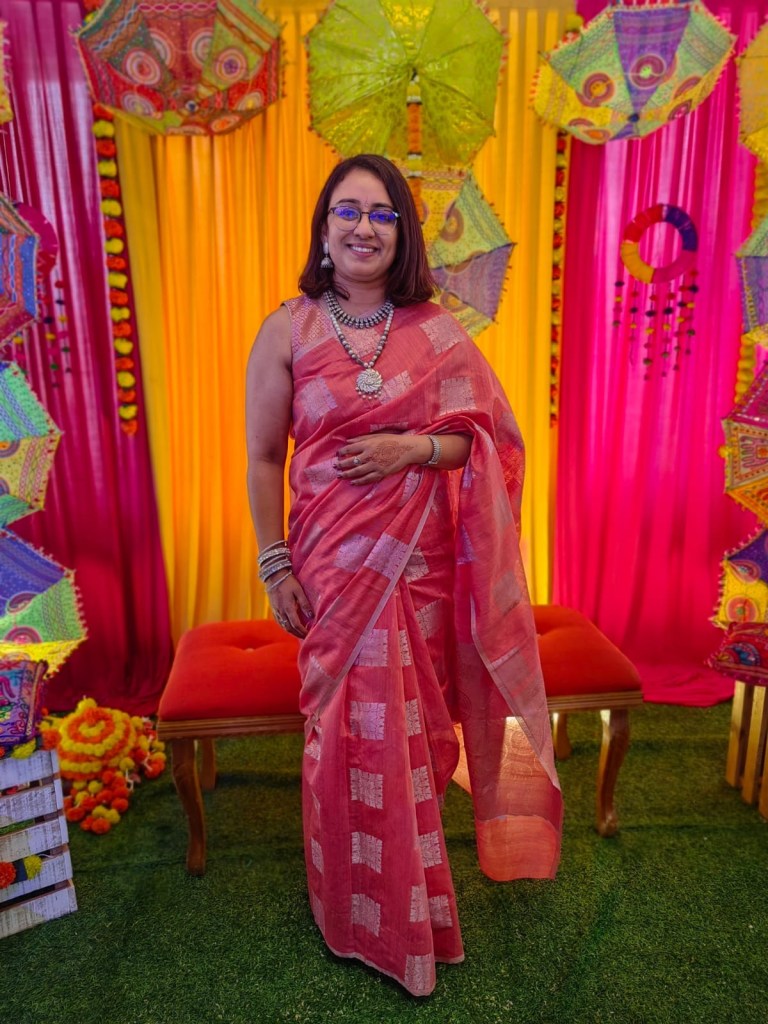
My cousin got married two weeks ago and my brother’s wedding was in June this year. Two close weddings in a year demand a lot of outfits, accessories and of course dressing up! Both weddings were done the traditional Maharashtrian way, rich in rituals and tradition.
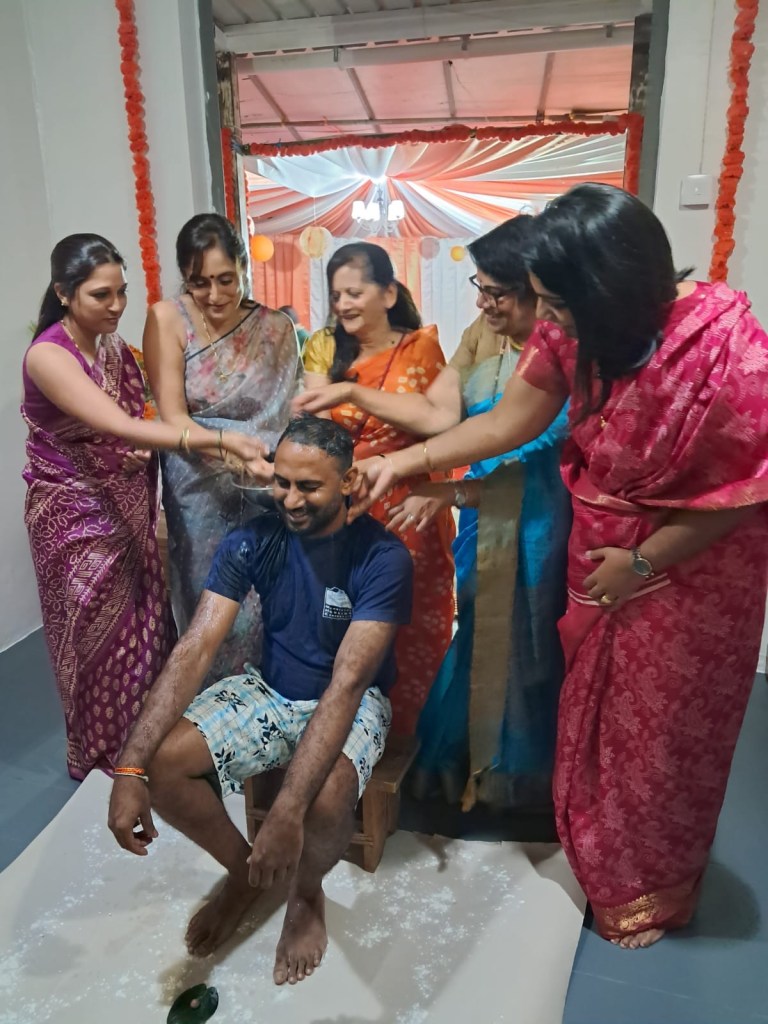
It started with “Outna” on Friday. Outna is a ritual where the would be groom receives a bath with fresh coconut water which is believed to purify the groom. The same rituals are done if a girl is getting married too.
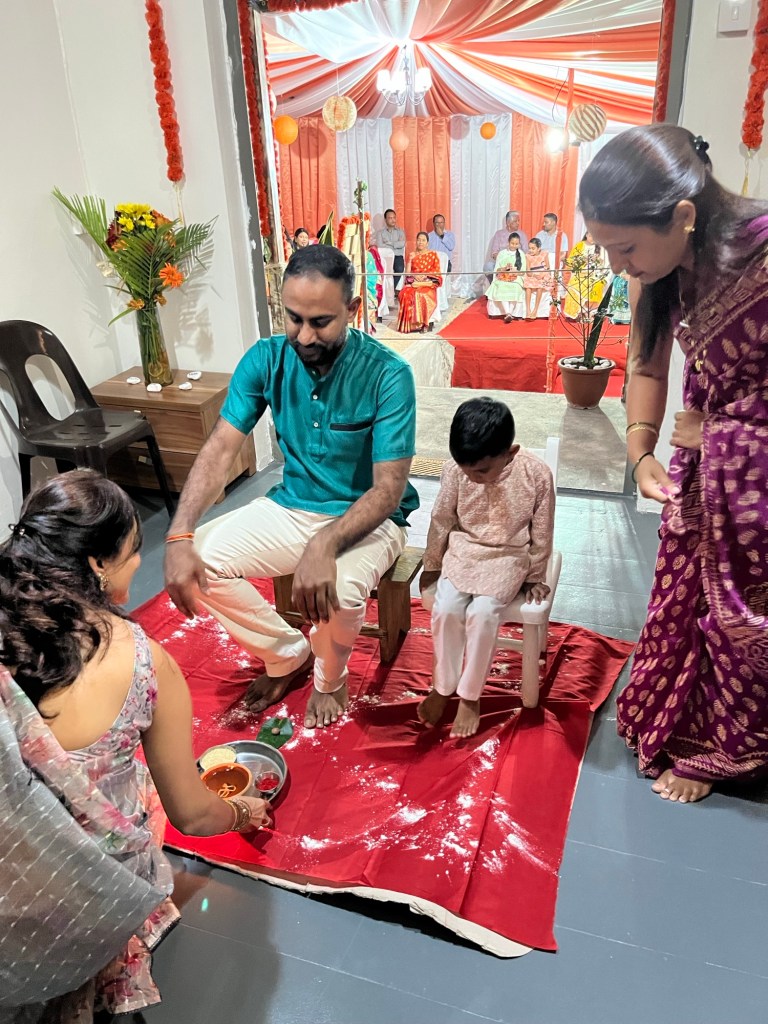
The following day is the “Haldi” ceremony. Haldi means turmeric where a paste made from fresh turmeric is applied on the groom’s body for purification, protection and a beautiful glow for the wedding day.
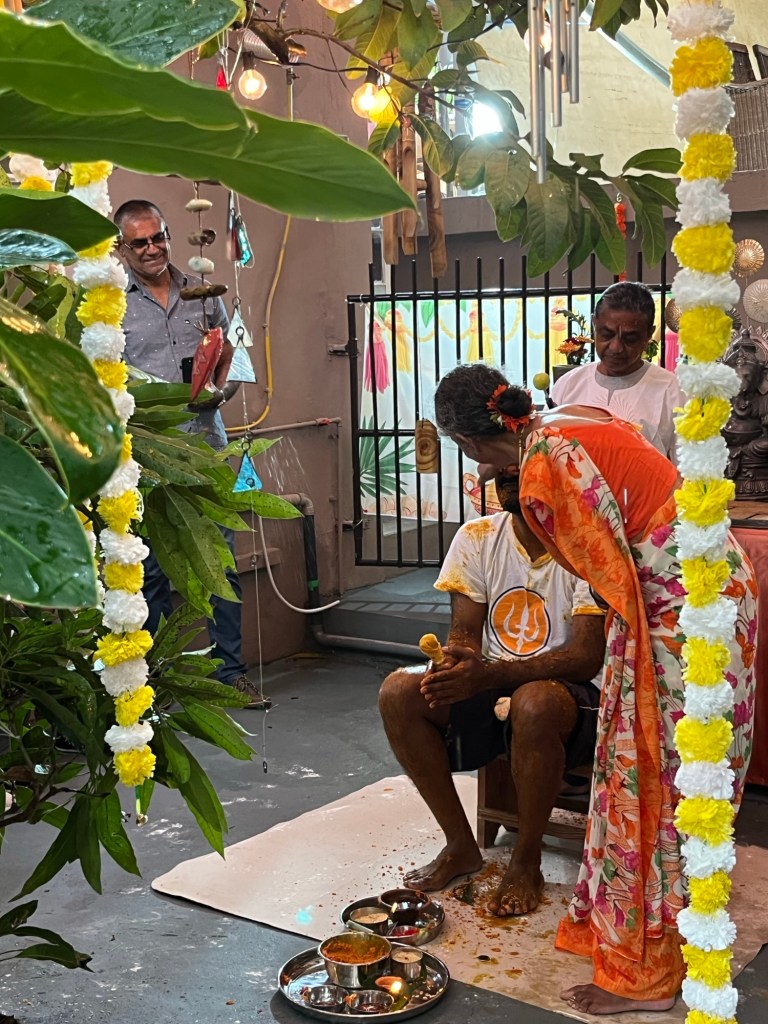
After the turmeric ceremony, a prayer called Yajmanpan is held where rice is put in a basket and five ladies are called to crush the rice with a wooden pole. My role as the sister was to hold a lamp in a platter (above the pole) while the ladies are crushing the rice. It was quite a tedious task as my arms got tired holding the platter high up! The priest spoke in Marathi and asked the groom to check if the rice has been crushed properly. We all had a good laugh during this ritual.

Saturday nights are known for the traditional 7 curries and Ora ( a type of roti made with maize or ground rice). The night is often filled with live music, singing and dancing.
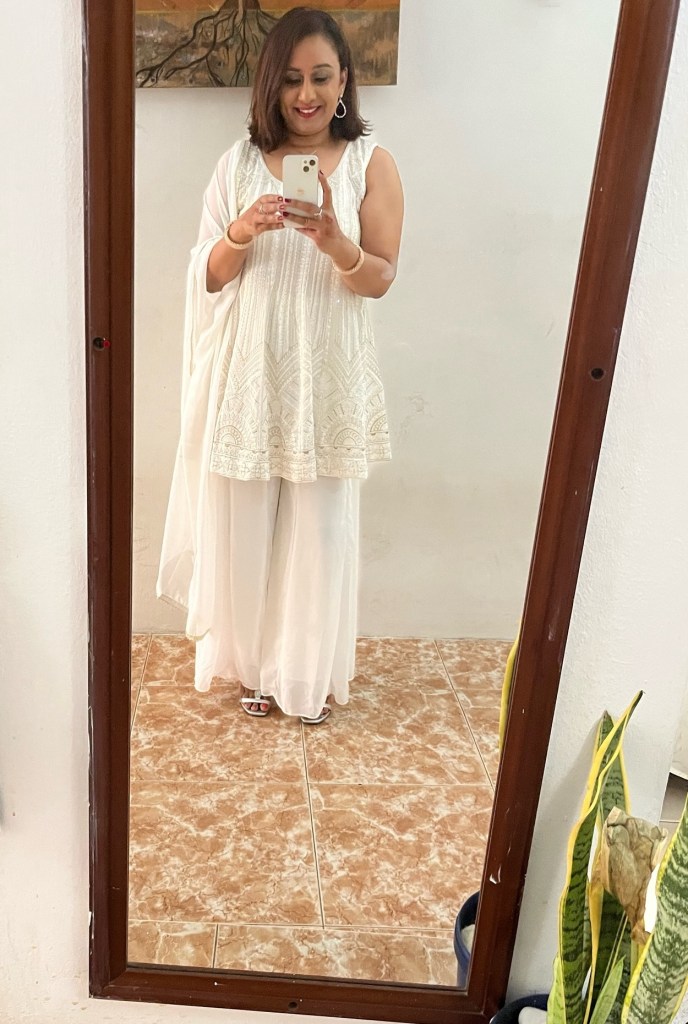
The following day is the big wedding day. Sunday starts early morning with a ritual called “Sandoline” where the groom receives a cold water bath sitting under a wooden structure. This is a less known ritual as it is held too early and only the brave souls who wake up at dawn can assist this ceremony.
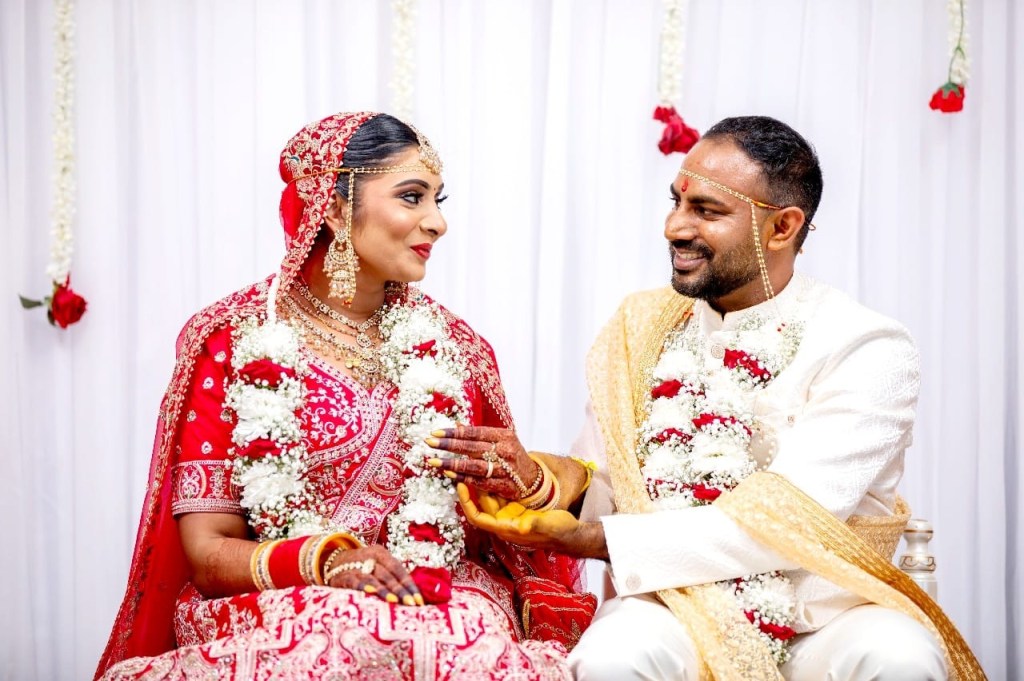
The main wedding ceremony is where the bride and groom go around the fire. In mahahashtrian culture, the ceremony starts with a white piece of cloth separating the bride and groom and their families. Two uncles from each side of the family will hold the cloth high and one needs to pull it as the priest or priestess will say “Shubha Mangala Savdhaan” which means “Be careful, and have an auspicious and fruitful marriage” .There are a lot of rituals involved on that day, including the vows, the “Kanyadhaan” meaning giving away of the bride, the exchange of wedding rings and the bride wearing the mangalsutra ( wedding chain).
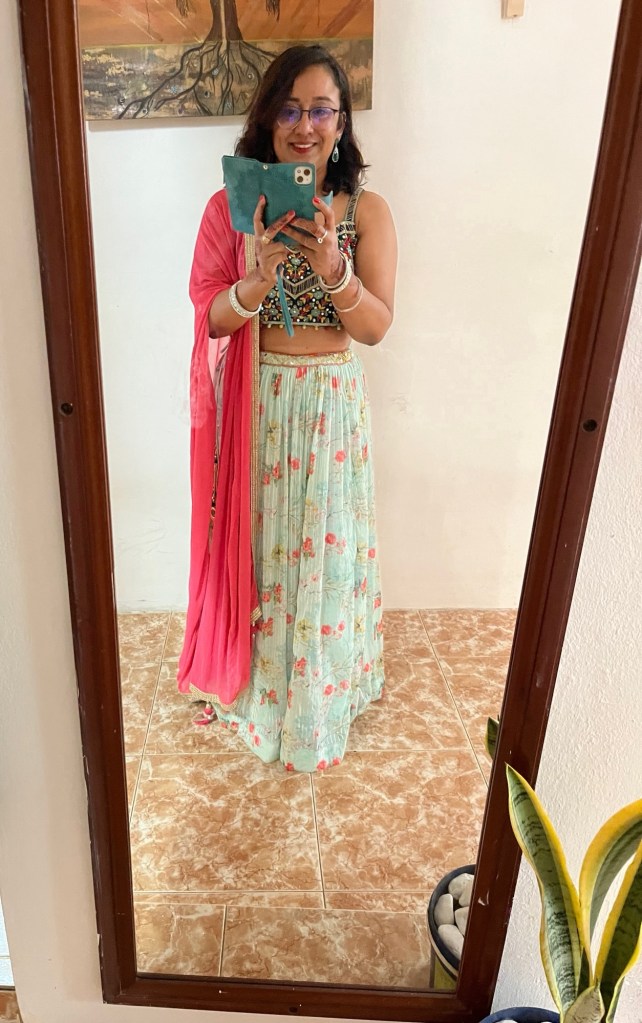
In my family, a special prayer called “Gondhal” is performed when the eldest or youngest son of the family gets married. It is a long prayer with traditional musical instruments and songs dedicated to Aai Bhawani ( the goddess also known as Durga or Bhairavi).
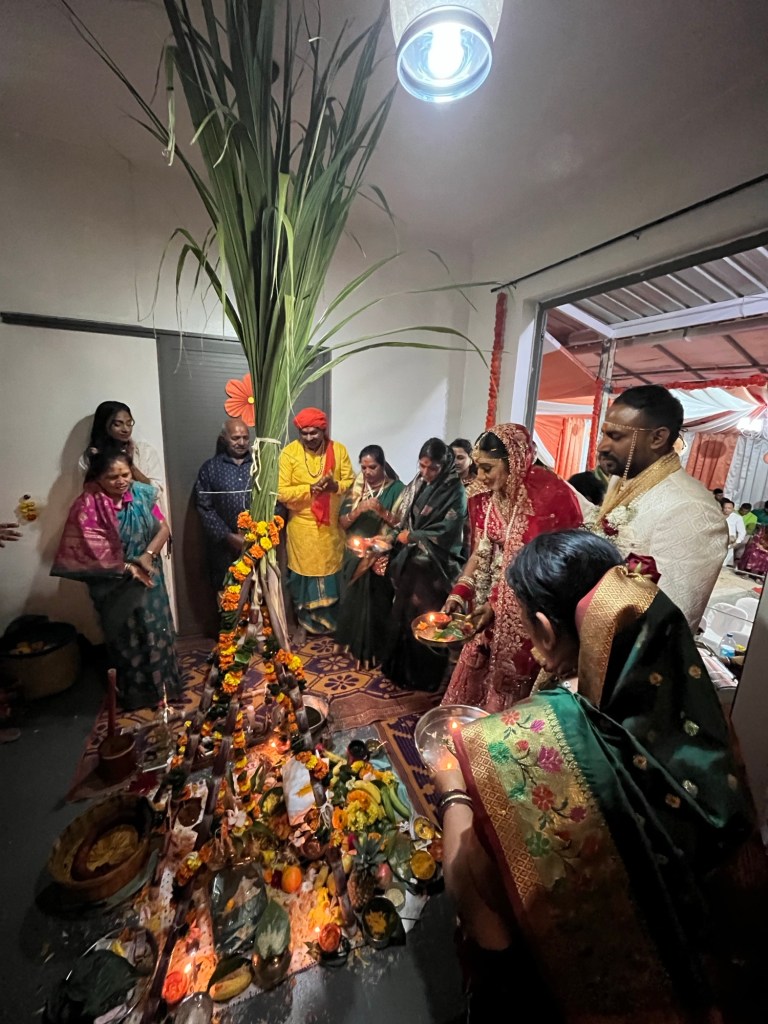
The wedding celebrations usually end with a feast; a reception ceremony where alcohol and non vegetarian food are served with music and dancing throughout the night. This is usually held on Sunday evenings or Mondays.
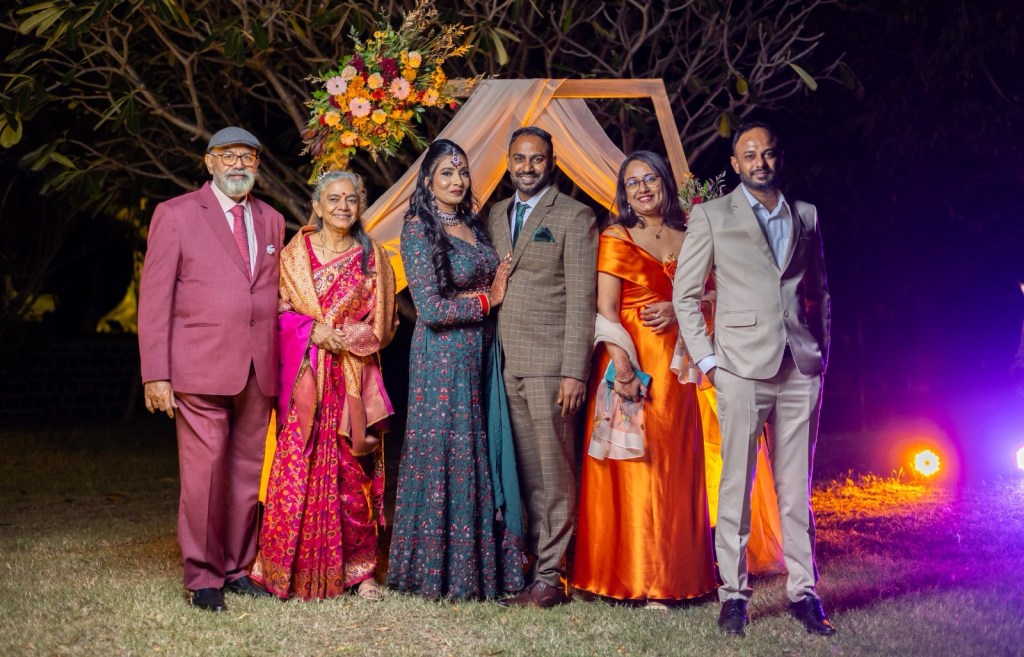
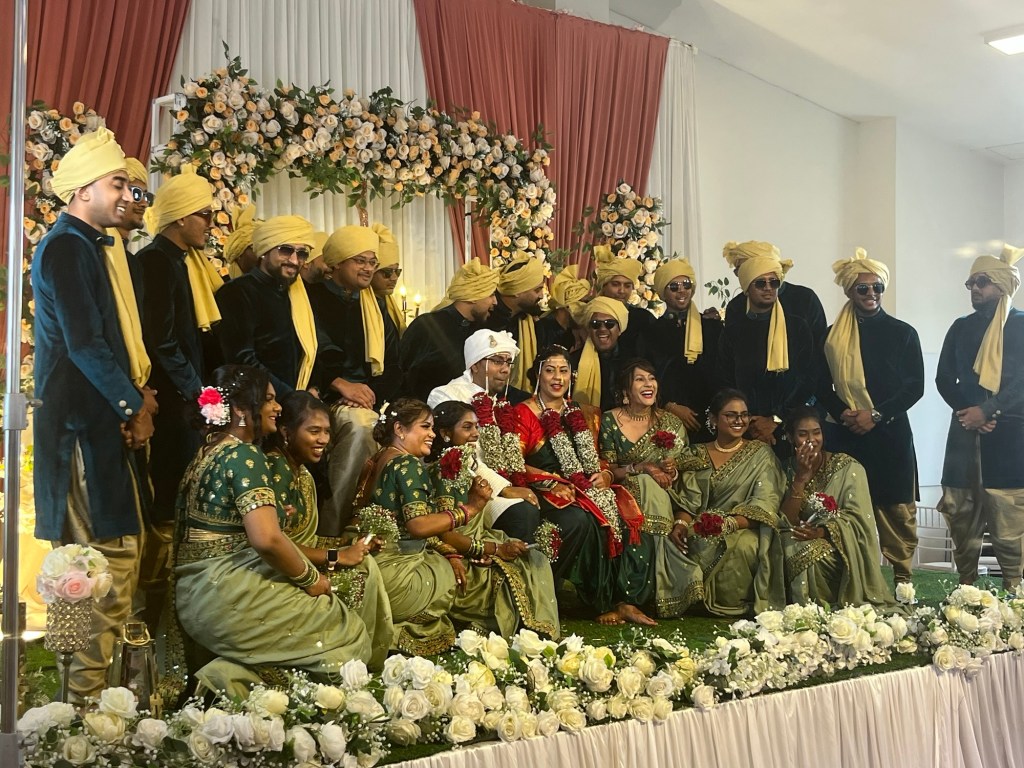
Missing in the picture : my younger brother’s wife and their little daughter who was 2 months old in June.

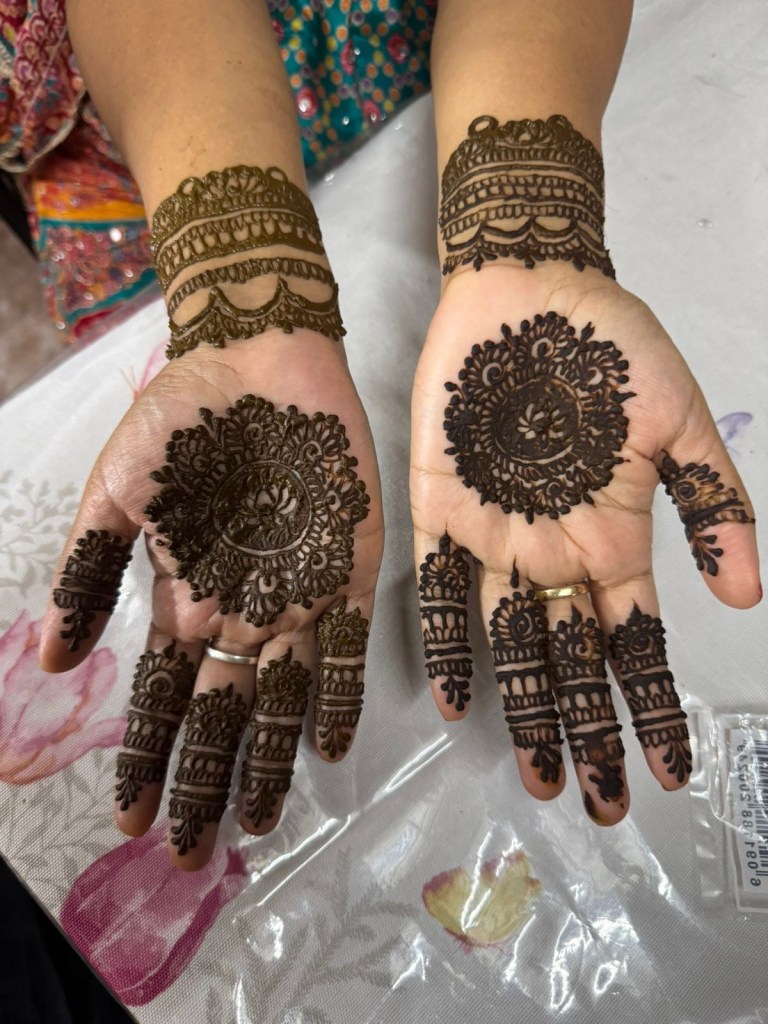
To note that as time evolves, some families choose to adapt the wedding celebrations as per their schedule, budget and convenience. Some weddings can be held during weekdays or a one-day wedding. We, Mauritians also like to mix other cultures and traditions such as for example holding a mehendi night on Fridays.
In my humble opinion, to get married or not is a personal choice which should not be determined by society or family pressure. It should come from love and a willingness to share our life with another person.
And well… I’ve been told lately that I attend everyone’s wedding…except my own 😂
 TreeLog
Leave a comment